thumbnail image
EARTHDROP
  • Home
  • About Us
  • Our Work
  • The Crisis
  • Partners
  • …  
    • Home
    • About Us
    • Our Work
    • The Crisis
    • Partners
EARTHDROP
  • Home
  • About Us
  • Our Work
  • The Crisis
  • Partners
  • …  
    • Home
    • About Us
    • Our Work
    • The Crisis
    • Partners
  • The Water Crisis in Northern Uganda

    Understanding the urgent need for clean water

  • Water Availability

    The current state of water resources in the region

    Limited Access

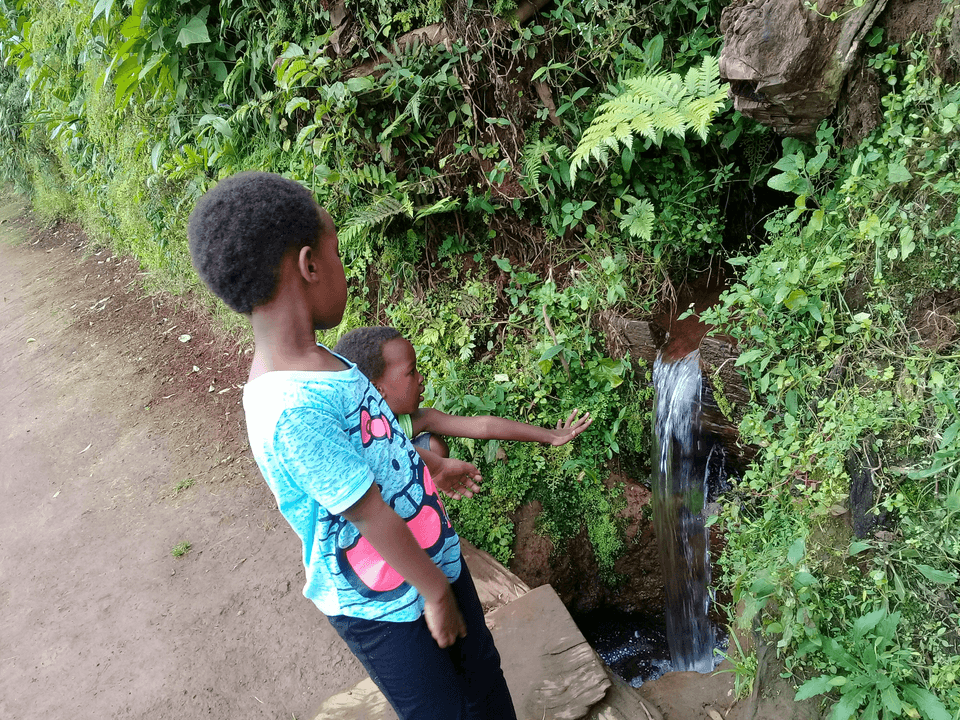
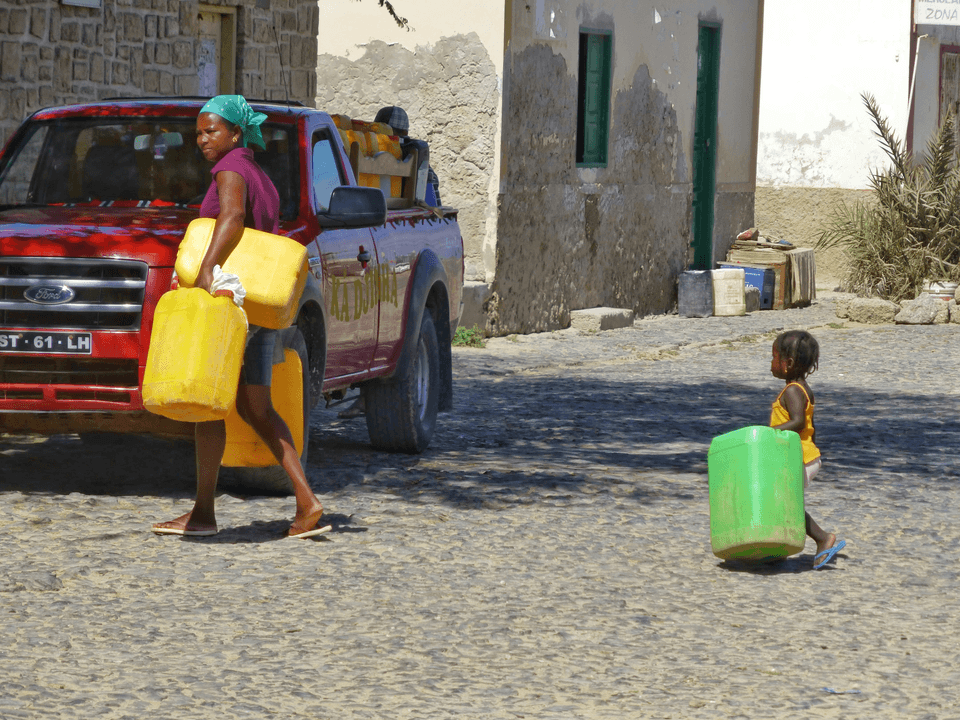
    Only 60% of the population in Northern Uganda has access to safe drinking water, leaving many families to rely on unsafe sources.

    Sanitation Challenges

    Over 70% of the population lacks access to proper sanitation facilities, contributing to severe health risks and environmental degradation.

    High Water Scarcity

    Water scarcity affects agricultural productivity, with over 80% of the population dependent on farming for their livelihoods.

    Wells and Boreholes

    There are only 1,500 functional boreholes serving over 2 million people, highlighting the critical need for investment in water infrastructure.
  • Health Risks from Waterborne Diseases

    The impact of inadequate water quality on public health

    Cholera Outbreaks
    March 29, 2026
    Cholera remains a significant threat in Northern Uganda, with thousands affected annually due to...
    Read more...
    Diarrheal Diseases
    March 29, 2026
    Poor water quality is a leading cause of diarrheal diseases, resulting in high morbidity and...
    Read more...
    Malaria Prevalence
    March 29, 2026
    Stagnant water from poor sanitation facilities creates breeding grounds for mosquitoes, leading...
    Read more...
  • The Importance of Clean Water

    Why every drop counts in Northern Uganda

    Section image

    Economic Development

    Access to clean water directly impacts economic growth by improving health and productivity. Communities with reliable water sources see enhanced agricultural yields and better economic opportunities.
    Learn More
    Section image

    Public Health

    Addressing water sanitation issues is crucial to reducing the disease burden. Improved access to clean water leads to healthier communities, lower healthcare costs, and increased life expectancy.
    Discover How
    Section image

    Educational Outcomes

    When children are healthy and have access to clean water, they are more likely to attend school and perform better academically. This investment in water infrastructure contributes to a brighter future for the next generation.
    Get Involved

©2026 - Proudly built with Strikingly

    Home
    Posts
    Call Us
    Contact
Cookie Use
We use cookies to ensure a smooth browsing experience. By continuing we assume you accept the use of cookies.
Learn More